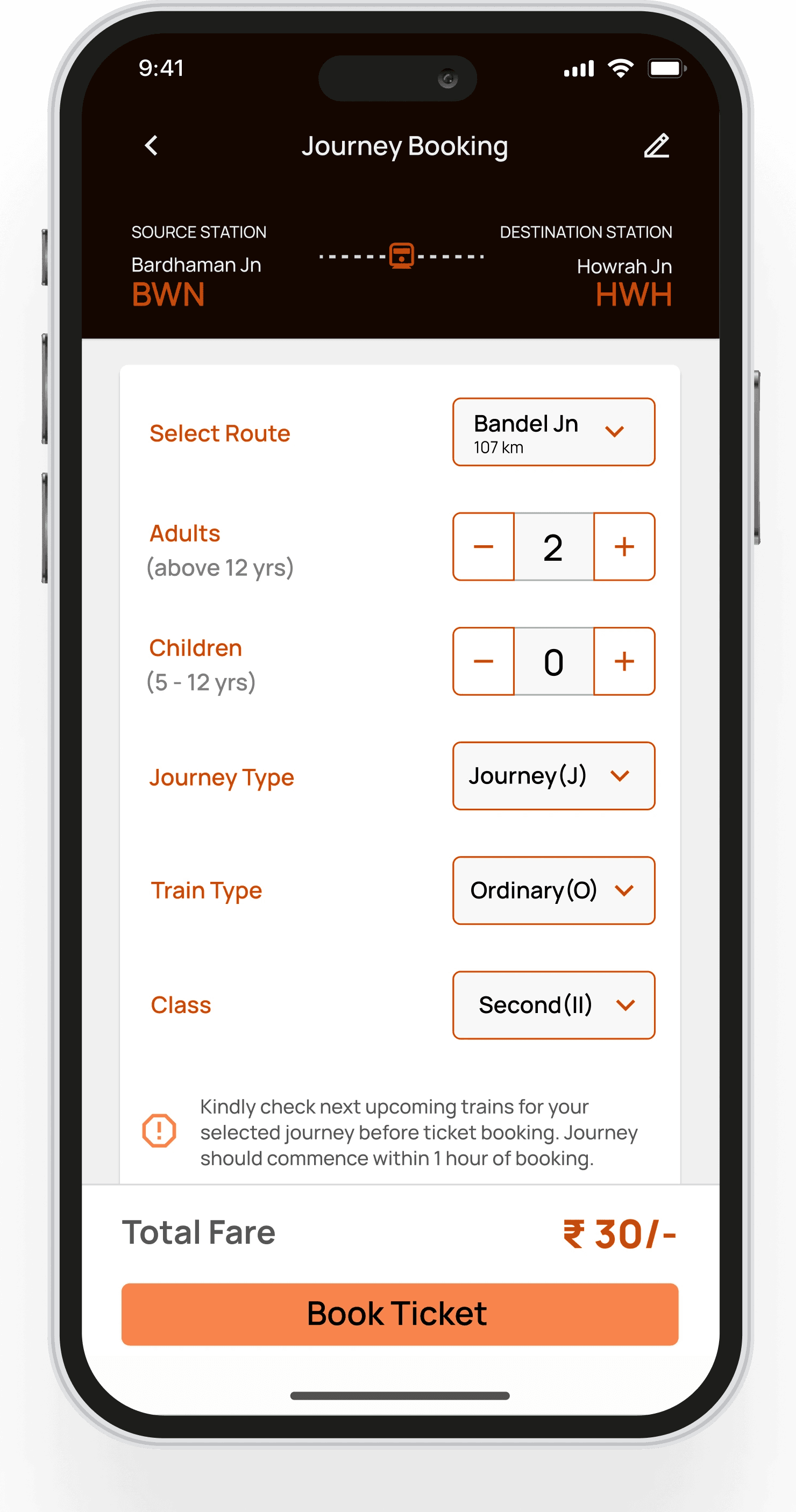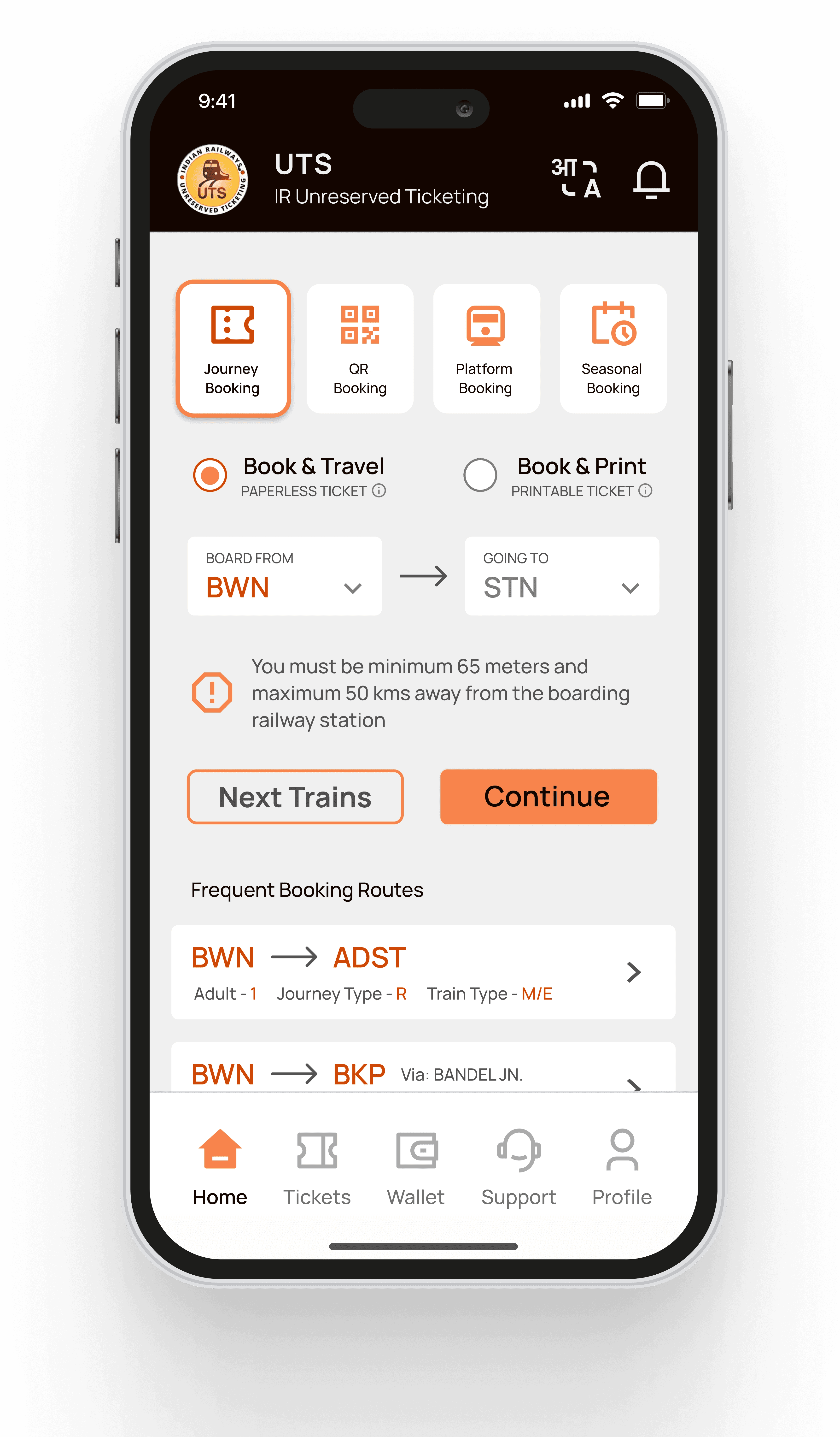
translated complex verification flows into a government-backed identity verification platform that enables privacy-first KYC using ZKP across 5+ sectors, with pilot deployments and grant approvals.


my role
UI/UX design, UX research, user architecture
my team
2 product designers(including me!), 1 project manager, 2 developers
industry
govtech
timeline
multi-phase across sectors
🔐 Note
due to confidentiality, i can only share a high-level overview of the project here. for more details, please drop me an email or dm me on x(twitter).
overview
01
challenge
the problem i was trying to solve was the fragmented and inefficient experience of identity verification across real-world systems. existing flows were complex, inconsistent, and required users to repeatedly share sensitive information, while verifiers had to navigate slow, compliance-heavy processes, making the overall experience difficult to manage and scale.
solution
designed a privacy-first identity system by building structured verification flows and scalable dashboards that simplified complex kyc processes. enabled users to present and verifiers to confirm key attributes without accessing sensitive user data, using zero-knowledge proof (ZKP) principles. established a consistent, reusable system that supported seamless scaling across sectors like hospitality, defense, and horticulture.
impact
secured grants from major government bodies and enabled pilot implementations across 3+ sectors, with expansion into 5+ sectors including hospitality, defense, and horticulture. achieved lois from state government bodies, with the platform being recognized among the top 5 cybersecurity startups in 2025 and acknowledged by the ministry of defense for its high-security identity approach.
the problem space
02
identity verification today operates across disconnected systems, creating friction for both individuals and organizations. instead of a seamless process, users and verifiers navigate repetitive, inefficient, and often insecure workflows.
👤
for individuals
personal data is repeatedly shared across multiple platforms
increased risk of identity theft and misuse
limited control over how data is stored, accessed, or reused
🏢
for businesses and verifiers
kyc processes are slow, manual, and operationally heavy
compliance requirements are constantly evolving and difficult to manage
fragmented systems lead to inefficiencies and inconsistent user experiences
this disconnect between user control and verification needs results in a system that is neither secure nor scalable, highlighting the need for a unified, privacy-first identity layer.
where this applies - the user sectors
03
the platform was initially designed for the hospitality sector, where identity verification is frequent and time-sensitive. it was later extended to support multiple real-world systems, including:
🏨
hospitality
🛡
defense
verified visitor access for high-security personnels
🌱
horticulture
designing across these sectors required creating flexible verification flows that could adapt to different operational needs while maintaining a consistent, privacy-first experience.
my contribution
04
the constraints
05
balancing privacy with usability
designing verification flows that minimized data exposure while keeping interactions simple and frictionless
designing across multiple sectors
adapting to different workflows, user types, and operational constraints across hospitality, defense, and horticulture
simplifying complex identity systems
translating multi-step verification processes into clear and usable experiences
evolving requirements & compliance needs
continuously iterating on flows based on changing regulations, stakeholder feedback, and real-world pilot constraints
reflections
06
thinking beyond constraints
i initially approached the system as something that needed to fit within strict technical and regulatory boundaries. over time, i learned to step back and explore broader, more scalable solutions, rather than just adapting to existing limitations.

design advocacy & communication
i learned that designing isn’t just about creating flows, but also about clearly communicating the rationale behind decisions. framing choices using familiar ux principles and tying them to business and product goals helped align stakeholders and build trust in the design direction.
working through ambiguity
this project involved evolving requirements across sectors and stakeholders. i learned to stay flexible and iterative, using feedback and changing inputs to refine the solution instead of waiting for complete clarity upfront.